What Is a WaterSense Toilet, and Is It Worth It?
A WaterSense toilet is certified to meet EPA water-efficiency and flush-performance criteria, using no more than 1.28 gallons per flush. Choose one when its verified certification, fit and flush style suit your bathroom.
On this page (9 sections)
- What does the WaterSense label mean on a toilet?
- How much water does a WaterSense toilet use?
- Is a WaterSense toilet worth it for your household?
- What should you compare when choosing a WaterSense toilet?
- Should you choose a single or dual flush model?
- Which WaterSense toilet fits different buyers?
- How do you prepare for setup and care?
- What mistakes should you avoid?
- How can you decide if a WaterSense toilet is right for you?
A WaterSense toilet meets EPA criteria for water efficiency and flush performance, using no more than 1.28 gallons per flush. It can be a sensible replacement for an older, less efficient toilet, provided the new model fits your bathroom and suits the people who will use it.
The label helps you compare water use and verified performance. It doesn't tell you whether the bowl shape, seat height, rough-in or installation details will work in your space.
What does the WaterSense label mean on a toilet?
A WaterSense labeled toilet meets EPA criteria for water efficiency and flush performance. Tank type toilets use 1.28 gallons per flush or less, and the model must pass the program's performance requirements.
The EPA says labeled toilets use at least 20% less water than the federal standard of 1.6 gallons per flush. Read the EPA's WaterSense toilet guidance for the program's current criteria.
A low flush volume by itself doesn't earn the label. Check that the exact model is certified before you buy, especially when product names and versions look similar.
How much water does a WaterSense toilet use?
A tank type WaterSense toilet uses 1.28 gallons per flush or less. A single flush model uses one set amount, while a dual flush model gives you a lower-volume option for some uses and a fuller flush for others.
The American Standard H2Option offers a partial flush of 0.92 gallons and a full flush of 1.28 gallons. It is described as a WaterSense and MaP PREMIUM qualifying Ultra-High Efficiency Toilet.
The TOTO Entrada is a single flush option that uses 1.28 gallons per flush and meets EPA WaterSense requirements. Its E-Max system is designed around that flush volume.
Compare the exact flush volume and certification, then consider bowl shape, height and fit. The guide to choosing a toilet covers those decisions alongside water use.
Is a WaterSense toilet worth it for your household?
A WaterSense toilet is most likely to make sense when you're replacing an older toilet that uses more water per flush. Your savings depend on how many people use it, how often it flushes and your local water and sewer rates.
To estimate the potential difference, compare the old and new gallons per flush, then think about typical daily use in your household. Ask your water provider whether rebates are available and what conditions apply.
If your current toilet already uses 1.28 gallons or less and works well, replacing it solely to lower flush volume may bring little change. A broken toilet, poor fit or a bathroom update can make replacement practical for other reasons too.
What should you compare when choosing a WaterSense toilet?
Compare certification, rough-in, dimensions, bowl shape and seat height before choosing a WaterSense toilet. The label addresses efficiency and performance, while these other details determine whether the toilet suits your room and daily routine.
Start with the rough-in, measured from the finished wall to the center of the floor bolts. Follow our guide to measuring toilet rough-in before you pick a model.
Next, check depth and width against the clear floor space, including room to sit and move around the toilet. A compact bathroom may call for a shorter bowl, while an elongated bowl takes more space and gives some users more room.
Seat height is another household decision. A standard-height seat may feel familiar, while a taller design can be easier for taller users or people who prefer a higher sitting position.
Try to match the choice to the people who will use the bathroom every day.
Finally, confirm whether the toilet seat and installation parts are included. Some models require separate purchases, so make a complete parts list before scheduling installation.
The compact toilet guide can help if floor space is limited.
Should you choose a single or dual flush model?
Choose a single flush toilet if you want one simple flush control and a fixed volume. Choose a dual flush toilet if people in your household will use the lower-volume option appropriately and you want that choice.
The H2Option suits shoppers who want two flush volumes and a listed WaterSense qualification. Its standard height and elongated front are details to weigh against the bathroom's space and the needs of its users.
A dual flush button doesn't prove WaterSense certification. The Swiss Madison Ivy has a 1.1 gallon light flush and a 1.6 gallon full flush, so its stated full flush volume is above the WaterSense tank toilet limit.
Consider the Ivy if its two flush options and one-piece design meet your preferences, but don't choose it as a confirmed WaterSense toilet based on the dual flush label alone. For more certified dual flush options, see our guide to dual flush toilets.
Which WaterSense toilet fits different buyers?
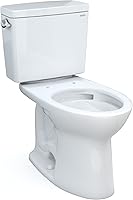
The TOTO Entrada fits buyers who want a straightforward, single flush toilet with an elongated bowl and universal height. It is a two-piece model with a left-hand chrome trip lever, so check the lever position and available floor space before buying.
The H2Option fits households that want a lower-volume partial flush and a fuller flush option. Skip it if you prefer a one-piece toilet or need a different height, and confirm what parts you'll need because its seat is sold separately.
The Woodbridge Chair Height One-Piece Toilet suits buyers who want a taller seat, dual flush and a one-piece form. Its described 1.28 GPF dual flush setup and WaterSense certification make it an option for shoppers who want those features together.
Skip the Woodbridge if a standard height is a better fit for your household or you don't want its white and matte black finish. Its dimensions are 28.5 inches deep, 14.5 inches wide and 27.5 inches high, so compare them with the room before ordering.
How do you prepare for setup and care?
Prepare by checking the rough-in, measuring the available space and confirming which parts come with your chosen toilet. A suitable model can still cause delays if the seat, bolts, wax ring or water supply line need to be sourced separately.
The Entrada requires a toilet seat, wax ring, mounting bolts and water supply line to be purchased separately. The H2Option also comes without a seat.
Confirm the full installation list for the exact model and make sure the installer has the parts on hand.
During installation, follow the product instructions and local plumbing requirements. Avoid overtightening mounting hardware, which can damage porcelain, and check that the toilet sits level and seals properly before regular use.
For routine care, use cleaners and tools suited to the toilet's surface and follow the care directions. Keep the flush controls clear and easy to use, and address a running or leaking toilet promptly because wasted water can erase some efficiency gains.
What mistakes should you avoid?
The most common mistake is treating a low gallon-per-flush number or a dual flush button as proof of WaterSense certification. Verify the exact model's label, then compare its stated flush volumes with the program's limit.
Don't choose by water efficiency alone. A toilet that doesn't match the rough-in, available space, bowl shape or preferred height can be a poor fit even when its certification is right.
Also check what the box includes before planning installation. A missing seat or other required part can mean extra shopping and a delayed replacement, so confirm the parts list early.
How can you decide if a WaterSense toilet is right for you?
Choose a WaterSense toilet if you want verified efficiency and performance, and the model fits your bathroom and household. Pick the TOTO Entrada for a single flush design, the American Standard H2Option for two flush volumes, or the Woodbridge if chair height and a one-piece design are priorities.
Skip a replacement based on efficiency alone when your current toilet already uses 1.28 gallons or less and fits your needs. Before buying, verify certification, measure rough-in and floor space, and confirm the seat and installation parts; then compare toilet styles and options.
Frequently asked questions
What makes a toilet WaterSense certified?
A toilet earns the WaterSense label when an EPA approved certifying body verifies that it meets the program's efficiency and performance criteria. Tank type toilets must use 1.28 gallons per flush or less and meet the required flush performance.
Do WaterSense toilets save money?
They can reduce water use compared with older toilets that use more water per flush. Your bill savings depend on household use and local water and sewer rates, so compare your current toilet's flush volume and check with your water provider about any rebate.
Are all dual flush toilets WaterSense certified?
No. Dual flush describes a control with different flush volumes.
WaterSense is a certification based on efficiency and performance criteria.
Check that the exact model carries the WaterSense label because the button alone doesn't confirm certification.
Is a WaterSense toilet worth it?
It may be a good choice if you're replacing a toilet that uses more water or want a certified model with a lower flush volume. Compare certification, fit, installation needs and local water rates, since savings vary by home.