How to Measure Toilet Rough-In Before You Buy
To measure toilet rough-in, measure from the finished wall behind the toilet to the center of a floor bolt. Use that distance to choose a matching toilet, then check the room's other clearances.
On this page (8 sections)
- How do you measure toilet rough-in?
- Should you measure from the wall or the baseboard?
- What can make a rough-in measurement inaccurate?
- What other clearances should you check before choosing a toilet?
- How do you match a measured rough-in to a toilet?
- Does floor height change the rough-in measurement?
- What should you do before ordering a replacement toilet?
- How to measure toilet rough-in: which toilet should you choose?
To measure toilet rough-in, measure from the finished wall to the center of a floor bolt. That distance is the key to choosing a toilet that lines up with the floor drain, and “how to measure toilet rough in” starts with finding those two points.
Measure after new flooring and wall finishes are in place when possible. If you're measuring before a remodel, account for the planned changes before choosing a replacement.
How do you measure toilet rough-in?
Measure straight from the finished wall behind the toilet to the center of either floor bolt. The bolts secure the toilet base to the floor, one on each side of the bowl.
- Find the finished wall directly behind the toilet.
- Place the end of a tape measure against the wall surface.
- Extend the tape straight out to the center of one floor bolt.
- Record the distance in inches, including any fraction.
- Repeat on the other side to see whether the measurements match.
The two measurements should be close. If they differ, check that the toilet is square to the wall and that the tape follows the same path on both sides.
A 12-inch rough-in is common, but some bathrooms call for a 10-inch or 14-inch model. The measurement is not the distance from the wall to the front of the toilet.
How do you measure toilet rough-in when the bolts are hidden?
Use a visible bolt cap only as a guide, then confirm the bolt center when the toilet is removed. The toilet base can hide the bolts, which makes an in-place measurement less certain.
Look for the decorative caps near the base on both sides of the bowl. If a cap is visible, measure to its center, but treat the result as an estimate because the cap may not show the bolt's exact position.
If the bolts are fully hidden, use the current toilet's position to plan your measurements, not to make a final buying decision. Once the old toilet is removed, measure from the finished wall to the center of the flange or bolt slots.
Should you measure from the wall or the baseboard?
Start at the finished wall, then record the baseboard's depth separately. The trim is not the rough-in reference point, but it can affect how close the tank sits to the wall.
A thick baseboard may push the toilet forward or make installation difficult. Compare its depth with the clearance required by the toilet you're considering, and check whether the tank can sit in the available space.
A narrow measurement can point toward a 10-inch model, but first confirm the distance from the wall to the bolt center. Our guide to 10-inch rough-in toilets explains where that size is used.
What can make a rough-in measurement inaccurate?
The wrong starting point or a slanted tape can give you a misleading number. Keep the tape level and measure to the bolt center from the finished wall surface.
Common mistakes include:
- Measuring to the front of the bowl instead of the bolt
- Starting at the baseboard rather than the wall
- Holding the tape at an angle
- Rounding off a fraction before checking the toilet's requirements
- Measuring before planned flooring or wall changes are finished
The center of the bolt matters more than the outer edge of its cap. If you can see only the cap, use its center as an estimate and confirm the bolt position after removal.
What other clearances should you check before choosing a toilet?
Rough-in is only one part of fit; measure the available width and depth, too. A toilet can match the bolt location and still be too large for the room.
Measure from the back wall to the front of the current bowl to understand its projection. Check the space at both sides, including nearby walls, cabinets, showers, and doors.
Also check whether the tank will clear the wall and any trim. Leave enough room to use the toilet comfortably and to reach its sides for cleaning.
When space is tight, compare a new toilet's dimensions with the available floor area. Our guide to compact toilets covers fit in small bathrooms.
How do you match a measured rough-in to a toilet?
Choose a toilet designed for the distance from your finished wall to the bolt center. Compare the measurement with the model's rough-in requirement before ordering.
A 12-inch model is a sensible choice when the measured distance matches its requirement. For a shorter distance, look for a 10-inch model; for a longer one, consider a 14-inch model only if its dimensions and clearances also fit.
For help weighing bowl shape, height, and other fit details, read how to choose a toilet.
The measurements help narrow your options, but they don't determine which bowl shape or height will feel right. Consider who will use the bathroom, how much floor space is available, and whether a round or elongated bowl suits the layout.
Does floor height change the rough-in measurement?
Measure from the finished wall to the bolt center at floor level. The rough-in tells you where the drain sits relative to the wall, while the flange's height above the floor is a separate fit issue.
If new flooring is planned, the finished floor may sit higher than the current one. Consider that change when checking how the toilet will meet the flange and floor, and inspect the flange after removing the old toilet.
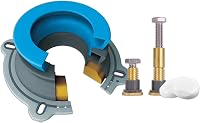
An extender kit is intended to raise the flange surface above the finished floor. The Oatey Set-Rite kit adjusts flange height from 1/4 in to 1-5/8 in, so consider it only when the flange needs that correction.
What should you do before ordering a replacement toilet?
Write down the rough-in, room dimensions, and obstructions before choosing a model. Match the rough-in to the toilet, then check that its shape and size suit the bathroom.
Use this checklist:
- Wall to bolt center, in inches and fractions
- Baseboard depth, if present
- Available width between nearby fixtures
- Distance from the back wall to the front of the bowl
- Tank clearance behind the toilet
- Planned changes to flooring or wall finish
If the bolt location is uncertain, remove the old toilet and measure the exposed flange or bolt slots before ordering. Follow our guide on how to remove a toilet to plan that step.
Don't buy a toilet based only on the current bowl's position or appearance. Confirm the rough-in requirement and compare the new model's dimensions with the room.
How to measure toilet rough-in: which toilet should you choose?
Choose by the measured distance first, then choose by bowl shape and available space. A 10-inch model suits a measured 10-inch rough-in, a 12-inch model suits a 12-inch rough-in, and a 14-inch model suits a 14-inch rough-in.
Pick the DeerValley option if you need a 12-inch rough-in and want a compact toilet. Choose the Swiss Madison Sublime II if the measurement calls for 10 inches and a round bowl works for your bathroom.
Choose the St. Tropez if your measured rough-in is 14 inches and you prefer an elongated bowl.
If your flange sits low after a floor update, consider the Oatey extender kit only after checking the flange height.
For “how to measure toilet rough in,” the decision is simple: measure from the finished wall to the center of a floor bolt, verify the number, then match it to the toilet's required rough-in. Check room clearances before you order, and confirm hidden bolt positions once the old toilet is removed.
Frequently asked questions
How do I measure toilet rough-in without removing the toilet?
Measure from the finished wall behind the toilet to the center of one floor bolt. If the toilet hides the bolt, use its position only as a rough clue, then confirm the bolt location once the toilet is removed.
Check for trim that projects from the wall, too.
Is toilet rough-in measured from the wall or baseboard?
Measure from the finished wall surface, not the front of a baseboard. Record the baseboard's depth separately and check the toilet's fit requirements, since the trim can affect the gap behind the tank.
What is the most common toilet rough-in size?
A 12-inch rough-in is common in residential bathrooms, but older homes and unusual layouts may have different measurements. Measure your own toilet location before buying and match the new toilet's required rough-in to that distance.
Can I use a toilet with a different rough-in size?
A toilet made for a different rough-in may not fit the existing drain location or leave proper clearance behind the tank. Models are made for sizes such as 10, 12, or 14 inches, so compare your measurement with the exact toilet's requirements before ordering.