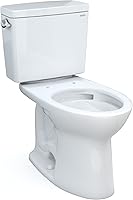
What Is a 10 Inch Rough-In Toilet, and Where Is It Used?
A 10 inch rough-in toilet fits a 10-inch distance from the finished wall behind the toilet to the center of the floor bolts. Measure that distance first, then compare the toilet’s footprint, bowl shape, and height with your bathroom.
On this page (9 sections)
- What does a 10 inch rough-in toilet measure?
- Where is a 10 inch rough-in toilet used?
- How do you measure for a 10 inch rough-in toilet?
- How do you choose a 10 inch rough-in toilet?
- What should you check besides the rough-in?
- Can a 10 inch rough-in toilet fit a 12 inch rough-in?
- What should you do before replacing the toilet?
- What mistakes should you avoid when buying a 10 inch rough-in toilet?
- Which 10 inch rough-in toilet should you choose?
A 10 inch rough-in toilet is designed for a 10-inch distance from the finished wall behind the toilet to the center of the floor bolts. It can suit older bathrooms and tight layouts where a 12-inch rough-in doesn’t match the drain position.
That measurement confirms only the toilet’s connection to the floor drain. Before you choose a model, measure the room and compare its depth, width, height, bowl shape, and clearances.
What does a 10 inch rough-in toilet measure?
A 10-inch rough-in measures from the finished wall to the center of a floor bolt. The bolts sit on either side of the toilet base and hold the toilet to the floor.
Measure from the wall surface, not from a baseboard or trim. If the toilet is still in place, use the center of a bolt cap as your reference point.
Rough-in is not the same as toilet depth. Depth runs from the wall toward the front of the bowl, so you need both measurements to check fit.
Our guide to measuring toilet rough-in before you buy walks through the measurement.
Where is a 10 inch rough-in toilet used?
A 10-inch rough-in toilet is useful when the drain sits closer to the wall than a 12-inch model can accommodate. This layout can appear in older homes, small bathrooms, or remodels where relocating the drain would add work.
A shorter rough-in can also help prevent a toilet from projecting too far into a walkway, but it does not guarantee a compact footprint. Check the model’s depth and the room’s door swing, vanity, tub, and side clearance.
If floor space is tight, compare the toilet’s full footprint with our guide to compact toilets and how to check their fit. A round bowl may save front-to-back space compared with an elongated bowl, while an elongated bowl may suit buyers who prefer its shape and have enough room.
How do you measure for a 10 inch rough-in toilet?
Measure from the finished wall to the center of a floor bolt along the toilet’s center line. Take the measurement twice and record it before shopping.
If the toilet is installed, measure to the middle of either bolt cap. If it has been removed, measure to the center of one exposed floor bolt.
A baseboard that projects from the wall can affect how the toilet sits. Measure from the wall above the trim, then note how far the baseboard sticks out so you can compare the toilet’s shape and installation requirements.
Don’t round a borderline measurement up or down to make a model seem suitable. Recheck the wall, bolt center, and tape position, then confirm the new toilet’s instructions before ordering.
How do you choose a 10 inch rough-in toilet?
Choose a 10-inch rough-in toilet by confirming the measurement first, then matching bowl shape, height, and footprint to your room and preferences. These checks help narrow the options without treating every toilet with the same rough-in as interchangeable.
The Swiss Madison Sublime II is the space-conscious pick among these four: its round bowl and 24-inch depth suit buyers who need to limit front-to-back projection. Skip it if an elongated bowl or a taller seat is a priority.
The HOROW T0338W10 pairs an elongated bowl with a 17.3-inch seat height and measures 26.6 inches deep by 15 inches wide. It suits buyers who want chair-height seating and can fit that footprint; skip it if the bathroom needs a shorter round toilet.
For a square bowl, the Swiss Madison Concorde measures 27.15 inches deep by 14.75 inches wide. Choose it if you want a square shape and have room for its depth; skip it if the room is too tight for that footprint or you prefer a round or elongated bowl.
The DeerValley model combines an elongated bowl with comfort-height seating and measures 28.62 inches deep by 15.47 inches wide. It suits buyers who prefer that combination and can fit the longer footprint; skip it when depth is the main constraint.
What should you check besides the rough-in?
Check overall dimensions, clearances, bowl shape, and seat height after confirming the rough-in. A toilet can match the drain position and still crowd a doorway or sit too close to a side wall.
Compare the toilet’s depth with the space in front of it, and its width with nearby walls and fixtures. Check the door swing and the path to the tub or vanity.
If several people use the bathroom, consider which bowl shape and seat height will work for them.
Seat height affects how far you bend when sitting and standing. The HOROW model’s seat height is 17.3 inches, while the Swiss Madison Sublime II and Concorde are standard-height models.
The DeerValley model is described as comfort height; check its installation details if you need an exact seat measurement.
See our guide to toilet bowl height and standard, chair, and extra-tall sizes for more help comparing heights. For a wider checklist of bowl shape, fit, and other features, read how to choose a toilet.
Can a 10 inch rough-in toilet fit a 12 inch rough-in?
A 10-inch rough-in toilet may fit a 12-inch rough-in if the model’s design and installation instructions allow the extra distance. The toilet may leave a gap behind the tank, and the actual fit depends on the model.
Confirm the installation requirements, drain position, water supply, and clearances before buying. Don’t assume that an adapter or moving the toilet forward will make the connection work.
What should you do before replacing the toilet?
Confirm the rough-in and measure the new toilet’s footprint before removing the old one. Review the new toilet’s installation instructions and check where its water supply needs to sit.
Measure the doorway and route into the bathroom too, especially for a one-piece model. The four options here weigh 89 to 103 pounds, so plan how you’ll move the toilet safely.
Our toilet removal guide covers taking out the old unit.
After installation, follow the instructions for the flush buttons and seat. The Swiss Madison and HOROW options have dual flush controls, which let you select between lower and higher flush volumes.
Clean around the base and trapway as part of routine bathroom care, following the toilet’s care instructions.
What mistakes should you avoid when buying a 10 inch rough-in toilet?
The most common mistake is measuring from the baseboard instead of the finished wall. Another is measuring to the edge of a bolt cap rather than its center, which can throw off the rough-in measurement.
Don’t assume that a shorter rough-in means a shorter toilet. Compare the full depth, width, and height, then account for the bowl shape, door swing, nearby fixtures, and the space needed to install and clean around it.
Finally, don’t choose by appearance alone. A square or elongated bowl can take up more room than a round one, and a standard-height seat may not match your household’s preference.
Which 10 inch rough-in toilet should you choose?
Choose the Sublime II if you want a round bowl and the shortest depth among these options. Choose the HOROW T0338W10 if you prefer an elongated bowl and 17.3-inch seat height; choose the Concorde for its square bowl, or the DeerValley for an elongated, comfort-height design.
Check the measured rough-in first, then pick the model whose footprint, bowl, and height suit the room and people using it. For a product-by-product comparison, see the best 10 inch rough-in toilets.
Frequently asked questions
What does a 10 inch toilet rough-in mean?
A 10-inch rough-in is the distance from the finished wall behind the toilet to the center of a floor bolt. Measure from the wall surface, not the baseboard.
If the toilet is still installed, use the center of a bolt cap as your reference and check the chosen model’s installation instructions before buying.
Can I use a 10 inch rough-in toilet with a 12 inch rough-in?
A 10-inch rough-in toilet may leave extra space behind the tank on a 12-inch rough-in, but fit depends on the model’s installation design and clearances. Check the toilet’s dimensions and instructions, and confirm the drain and water supply positions before choosing.
Don’t assume an adapter or shifting the toilet will solve a mismatch.
How do I measure for a 10 inch rough-in toilet?
Measure from the finished wall behind the toilet to the center of one floor bolt. If the toilet is still installed, measure to the center of a bolt cap.
Keep the tape level and measure along the toilet’s center line.
Note any baseboard projection separately, then repeat the measurement to catch errors.
Are 10 inch rough-in toilets smaller?
Some 10-inch rough-in toilets are made for compact bathrooms, but the rough-in only describes the wall-to-drain distance. Bowl shape, depth, width, and height vary by model.
Compare those dimensions with your room and needs; a 10-inch rough-in does not guarantee a short or narrow toilet.