Low-Flow vs Regular Toilets: Which Should You Buy? (November 2026)
Pick a low-flow toilet for most homes: it uses less water per flush and modern designs flush as well as the old 3.5-gallon models. Go regular only if your plumbing or household habits need the extra volume.
On this page (8 sections)
- Low flow vs regular toilets: what actually differs?
- Which toilet uses less water and saves more?
- Which one flushes more reliably?
- Does a low-flow toilet fit the same space?
- Which one costs less to own?
- Who should buy a low-flow toilet?
- What should you check before you buy either one?
- The verdict: low-flow wins for most homes
Pick a low-flow toilet for most homes: it uses less water per flush and modern designs flush as well as the old 3.5-gallon models. Go regular only if your plumbing or household habits need the extra volume.
The low flow toilets vs regular toilets question comes down to water use, flush performance and what your bathroom can fit. This comparison walks through the tradeoffs so you can choose with confidence.
The winner for most readers is a modern 1.28-gallon low-flow toilet. A regular toilet still has a place in a few specific situations, and the sections below explain when.

 Best for fixing a weak flush
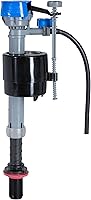
Fluidmaster 400H Universal Toilet Fill Valve
Low flow vs regular toilets: what actually differs?
The main difference is water per flush, and modern low-flow models close the flush-performance gap that older ones had. Everything else, from bowl shape to rough-in, works the same way on both types.
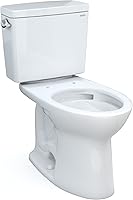
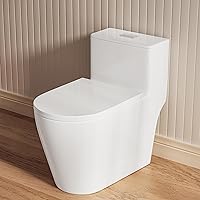
A regular toilet typically uses 3.5 gallons per flush. Low-flow models use 1.28 gallons or less, and dual-flush models use about 1.6 gallons for solids and 1.1 for liquids.
That gap matters over a year. A household flushing 5 times a day saves thousands of gallons annually by switching from 3.5 gallons to 1.28.
The exact savings depend on your water rate and flush count.
The comparison table below puts the two types side by side on the points that decide the purchase.
| Product | Best for | Type | Fit | Mount | Our score |
|---|---|---|---|---|---|
| LUXE Bidet NEO 120 | cutting paper use | Bidet attachment | Standard two-piece toilets | Wall mount | 9.7 |
| Fluidmaster 400H Universal Toilet Fill Valve | fixing a weak flush | Fill valve | Most toilet models and brands | 9.6 | |
| Angel Soft Toilet Paper | everyday value | 9.5 | |||
| BIGCOW Ultra-Slim Bidet Attachment for Toilet | tight seat clearance | Bidet attachment | 9.3 |
The water use gap in practice
A low-flow toilet's savings show up on your water bill and in the strain on your sewer or septic system. A regular toilet moves more water per flush, which can help push waste through a long or flat drain run.
Modern low-flow toilets compensate with a larger trapway and a more efficient bowl wash. The result is a flush that clears the bowl without the extra volume.
The flush performance question
Older low-flow toilets earned a poor reputation because early designs used small trapways that clogged easily. Today's 1.28-gallon models are engineered around the lower volume, so the flush stays reliable.
A regular toilet's extra water gives it more margin for error. If your household regularly flushes bulky waste, that margin can matter.
Which toilet uses less water and saves more?
A low-flow toilet wins on water use, and the savings are real for most households. A regular toilet uses roughly 2.2 gallons more per flush, which adds up fast.
Take a family of four flushing about 20 times a day. At 3.5 gallons per flush, that's 70 gallons a day.
A 1.28-gallon model uses about 26 gallons a day for the same flushes.
That's a difference of about 44 gallons a day, or more than 16,000 gallons a year. Your water rate turns that into dollars, and the toilet usually pays for itself over its life.
A dual-flush toilet goes further. It uses less water for liquid waste and more for solids, so the average per-flush volume drops again.
Where the savings disappear
The savings shrink if your low-flow toilet needs a second flush. A model with a weak flush or a worn fill valve can erase much of the advantage.
That's why the fill valve matters. A properly adjusted tank level and a clean, working valve keep the flush volume where it should be.
The Fluidmaster valve in this guide has separate tank and bowl dials for exactly that tuning.
Watch the water supply and the plumbing
A low-flow toilet moves less water through the same pipes, so the supply line and the shutoff valve need to be in good shape. A dripping valve or a corroded connection wastes water no matter which toilet sits above it.
Check the inlet size and the supply line before you order. A flexible supply line can bridge a small gap, but a cracked shutoff valve is a cheap part to replace while the toilet is out.
Which one flushes more reliably?
A modern low-flow toilet flushes reliably, but a regular toilet still has more margin for bulky or unusual waste. The gap is smaller than it was 20 years ago.
Low-flow toilets rely on bowl shape and trapway design rather than raw water volume. A well-made model clears the bowl in one flush for normal use.
A regular toilet's extra water gives it more push. In a house with older drain lines, a long horizontal run or a household that flushes large items, that extra volume can help.
If your current toilet clogs often, the cause may be the drain line rather than the toilet type. A low-flow model won't fix a partially blocked pipe.
When the flush volume matters
Choose a regular toilet if your drain line is older or your household regularly flushes bulky waste. The extra water can help move material through a sluggish line.
For most homes with sound plumbing, a 1.28-gallon low-flow toilet handles daily use without trouble. Pick a model with a wide trapway and a good bowl wash, and keep the fill valve adjusted.
Does a low-flow toilet fit the same space?
Yes, low-flow and regular toilets use the same rough-in measurements, so a swap is usually straightforward. The rough-in is the distance from the finished back wall to the center of the closet bolts.
Standard rough-ins are 10, 12 and 14 inches. Most homes have a 12-inch rough-in, and both toilet types come in all three sizes.
Check the rough-in before you buy, and measure the bowl width and depth if the bathroom is tight. A compact low-flow model can free up floor space without changing the plumbing.
Our guide on how to measure toilet rough in walks through the measurement. Measure from the finished wall, not the baseboard or the drywall behind tile.
Bowl shape and height carry over
Round and elongated bowls come on both low-flow and regular toilets. So do standard and comfort heights.
An elongated bowl adds a few inches of depth but is more comfortable for most adults. Comfort height, about 17 to 19 inches to the seat, is easier on the knees.
Our comparison of the round vs elongated toilet covers the shape decision in detail. Pick the shape first, then choose the flush type.
Skirted designs and cleaning
A skirted toilet hides the trapway behind a smooth panel, so there's less to wipe down. Skirted low-flow models are common, and they suit bathrooms where cleaning time is short.
Our roundup of skirted toilets shows the options. Just confirm the rough-in and the seat height before ordering.
Which one costs less to own?
A low-flow toilet usually costs less to run, while a regular toilet may cost less upfront. The water savings typically outweigh the small price gap over the toilet's life.
Regular toilets can be cheaper to buy because the design is simpler and older stock is plentiful. But the water cost adds up every month.
Low-flow models often cost a little more upfront. The savings on water, plus any rebate from your utility, usually close the gap within a few years.
Water bills and rebates
Many water utilities offer rebates for replacing an old toilet with a low-flow model. Check with your local utility before you buy; the amount varies by region.
The rebate can offset part of the purchase price. Combined with the monthly savings, it makes the low-flow case stronger for most households.
Repair costs over time
Both types use similar parts: a fill valve, a flush valve and a flapper. Replacement parts are widely available and inexpensive.
The Fluidmaster 400H fill valve fits most toilet models and brands. It's a low-cost fix that restores a weak or noisy flush on either toilet type.
Its EZ-Twist stem adjusts from 9 to 14 inches, so one part covers more tank heights than a fixed-stem valve.
Who should buy a low-flow toilet?
Buy a low-flow toilet if your plumbing is sound and you want lower water bills. That covers most homes, apartments and rental units.
A 1.28-gallon model handles daily use, and dual-flush models stretch the savings further. Pair it with a bidet attachment to cut paper use too.
The LUXE Bidet NEO 120 attaches to a standard two-piece toilet and includes all parts and tools. Its retractable nozzles sit behind a guard gate between uses.
The BIGCOW Ultra-Slim attachment is less than a quarter inch thick, so the seat stays level. It offers front and rear wash with an adjustable pressure knob.
Who should keep or buy a regular toilet?
Keep a regular toilet if your drain line is older or your household needs extra flush volume. A sluggish line benefits from the extra water per flush.
If your current toilet works well and your water rate is low, replacing it may not pay back quickly. In that case, keep it and fix any leaks or worn valves.
A regular toilet also makes sense in a rental or a cabin where water savings matter less. In those cases, spend the money on a fill valve and a good seat instead.
What should you check before you buy either one?
Check the rough-in, the bowl shape, the seat height and the water supply before you order. These four points decide whether the toilet fits and works in your bathroom.
Measure the rough-in from the finished wall to the bolt centers. Confirm the bowl shape you want and the seat height that suits your household.
Check that the water supply line reaches the new toilet's inlet. A flexible supply line can bridge a small gap, but a big move may need plumbing work.
Match the flush type to the household
A low-flow toilet suits most households. A dual-flush model adds savings for homes with high flush counts.
A regular toilet suits a house with an older drain line or a household that flushes bulky waste. The extra volume gives more margin.
Plan the install and the old toilet
Removing an old toilet and setting a new one is a manageable DIY job. You'll need a new wax ring, a supply line and basic tools.
Measure the doorway and the path to the bathroom before delivery. A toilet is heavy and awkward, so arrange help for the lift.
Our guide on how to choose a toilet covers the full checklist. It walks through rough-in, bowl shape, height and flushing type in one place.
The verdict: low-flow wins for most homes
Buy a low-flow toilet for most bathrooms, and keep a regular toilet only if your drain line or habits need the extra water. The water savings and modern flush performance make low-flow the better buy for the typical household.
The low flow toilets vs regular toilets decision is simpler than it looks. Modern 1.28-gallon models flush as well as the old 3.5-gallon toilets for normal use, and they cut water use by more than half.
Choose low-flow for a sound drain line, lower bills and a bathroom that's easy to clean. Add a bidet attachment to cut paper use and stretch the savings.
Choose regular only when your plumbing is sluggish or your household flushes bulky waste regularly. In that case, the extra volume is worth the water cost.
Either way, fix leaks and worn valves first. The Fluidmaster 400H fill valve and a septic-safe paper like Angel Soft keep the toilet running well.
Frequently asked questions
How many gallons does a low-flow toilet use per flush?
Most low-flow toilets use 1.28 gallons per flush or less, and dual-flush models use about 1.6 gallons for solids and around 1.1 for liquids. Older regular toilets often used 3.5 gallons, so the savings add up over a year.
Do low-flow toilets clog more often?
Early low-flow models had a reputation for weak flushes, but modern designs use larger trapways and better bowl shapes to move waste with less water. A correctly installed 1.28-gallon toilet flushes reliably for most households.
Can I replace a regular toilet with a low-flow model myself?
Yes, if the rough-in measurement matches and the flange is in good shape. Measure from the finished wall to the closet bolt centers before you buy, and check the new toilet's rough-in spec against that number.
Will a low-flow toilet lower my water bill?
It usually will, though the amount depends on your water rate and how many flushes your household makes each day. Replacing an old 3.5-gallon toilet with a 1.28-gallon model cuts water per flush by more than half.
Are regular toilets still worth buying?
A regular toilet can make sense when your drain line is older or your household needs extra volume for bulky waste. For most homes, though, a modern low-flow toilet delivers the same flush with less water.